Starting with your operational requirements.
Network outages and power failures interrupt work that relies on IT. Standalone devices, disorganised cabling, and backup power mismatched to loads make issues harder to resolve. Infrastructure designed as one system supports connectivity and future growth.
Systems we can build together.
Enterprise networks
LAN, Wi-Fi, switching, routing, and network segmentation.
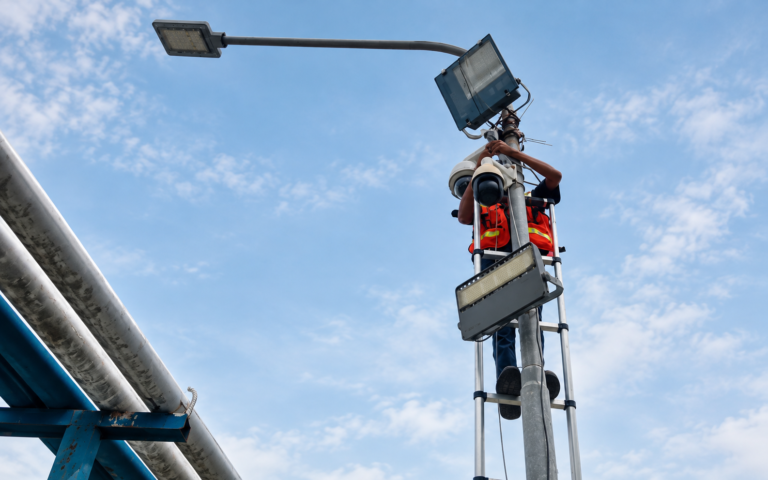
Fibre optics & structured cabling
Backbone routes, termination, organisation, and connection testing.
Servers & data centres
Computing, storage, racks, and equipment environment requirements.
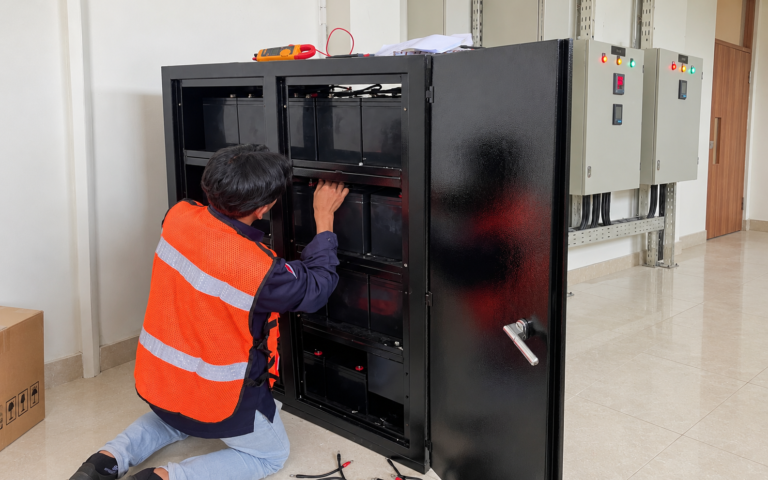
UPS & external batteries
UPS and battery system selection based on load and required backup duration.
What should we assess?
These parameters inform the assessment. Final scope and objectives follow a review of site conditions and requirements.
- Load & capacity
- Device counts, traffic, computing requirements, and projected growth.
- Topology & coverage
- Backbone routes, Wi-Fi coverage, segmentation, and failure points.
- Power & runtime
- Actual loads, electrical characteristics, backup requirements, and battery compatibility.
- Environment & testing
- Rack space, temperature, cable management, link test results, and existing documentation.
Benefits for your operations.
- Connectivity matched to users and applications.
- Backup power planned around actual loads.
- More organised expansion and troubleshooting.
If these requirements remain unaddressed
Without capacity and power planning, bottlenecks, unstable connections, and shutdowns during outages can disrupt work.
Discuss services in Balikpapan & Kalimantan
Frequently discussed questions
How is a suitable UPS selected?
Selection considers loads, equipment characteristics, required backup duration, battery compatibility, and installation space.
Can an existing network be expanded?
Cable routes, devices, capacity, and integration requirements are assessed to identify components that can be reused.