Starting with your operational requirements.
Office and on-site coordination require dependable communications. Disconnected extensions, radio dead zones, and incompatible equipment delay messages. Communications designed around facility conditions help connect people and work more effectively.
Systems we can build together.
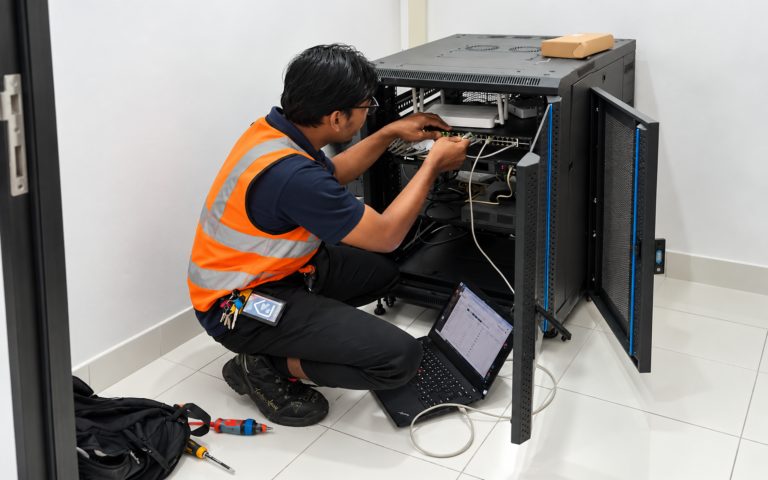
PABX & extensions
Office telephone systems, extension points, and call-flow configuration.
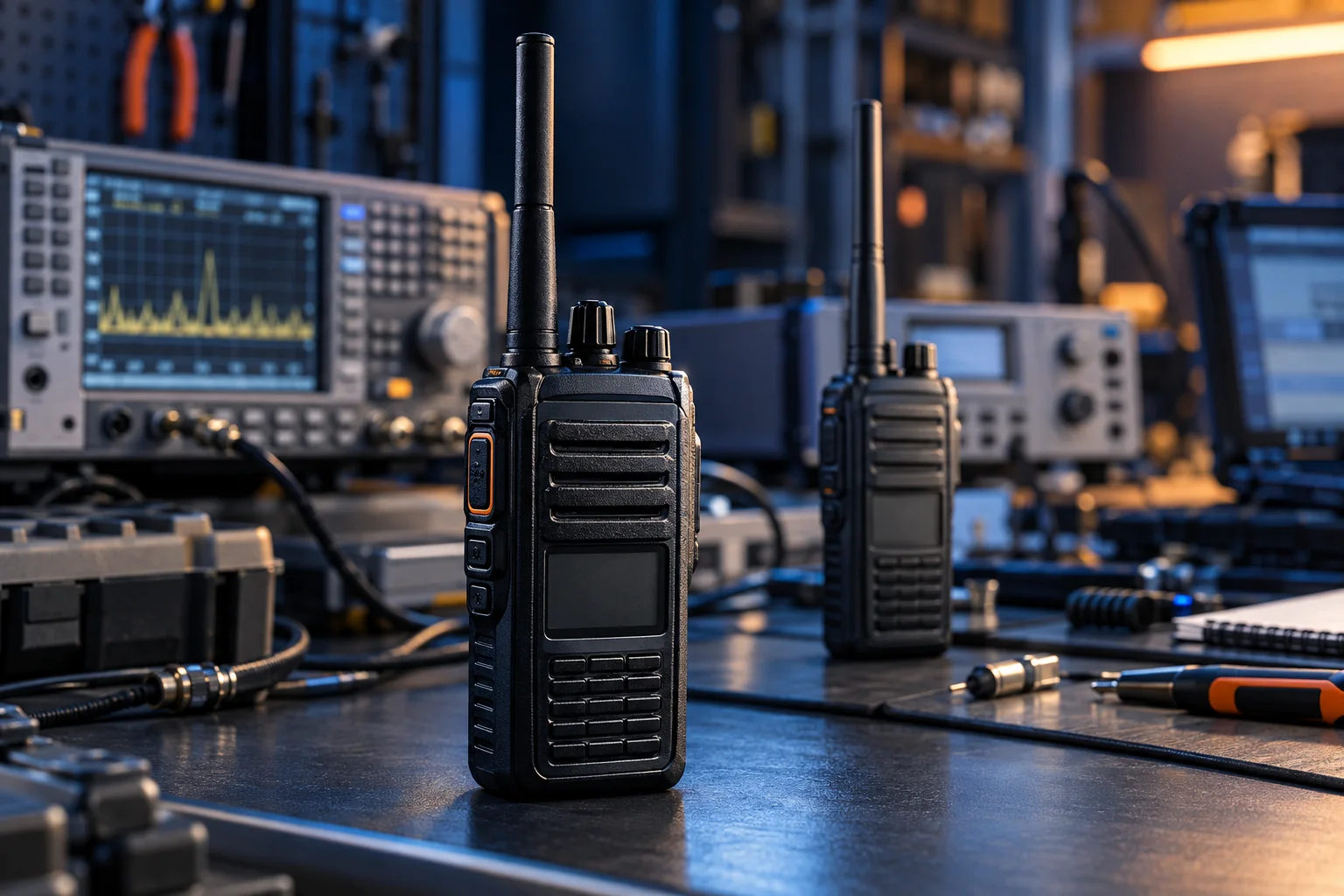
Professional radio
Communications equipment for on-site teams.
Antennas & RF systems
Antennas, coverage, and repeater requirements assessed for site conditions.
Integration & testing
Compatible equipment integration and communications testing.
What should we assess?
These parameters inform the assessment. Final scope and objectives follow a review of site conditions and requirements.
- Users & points
- Extension counts, workgroups, call flows, and mobility requirements.
- Coverage & obstacles
- Work areas, buildings, topography, and difficult-to-reach locations.
- Equipment & cabling
- Telephone types, cabling, PABX capacity, radio equipment, and compatibility.
- Frequency & power
- Licensing requirements, channels, antennas, and system backup power.
Benefits for your operations.
- Better-connected team coordination.
- Capacity and coverage matched to site requirements.
- Easier communications troubleshooting through documented configurations.
If these requirements remain unaddressed
Without suitable communications, messages can be delayed, work areas lose connectivity, and coordination between teams is disrupted.
Frequently discussed questions
Can PABX systems integrate with existing telephones?
Equipment types, capacity, cabling, and compatibility are assessed before defining the integration design.
What radio range can be achieved?
Range depends on equipment, antennas, site conditions, and obstacles. Frequency licensing requirements must also be assessed.